



Non woven polypropylene bags are now widely seen in supermarkets, trade shows, community events and corporate promotions. Many businesses choose them as a replacement for thin plastic carriers, but the key question remains: is non woven polypropylene eco-friendly, or does it simply create a different waste problem?
For organisations buying packaging in bulk, this decision is about more than convenience. The type of bag you offer influences customer perceptions, shapes your environmental reputation and even affects compliance with government regulations. This article explores what non woven polypropylene bags are, how they compare with other materials and whether they represent a sustainable choice for businesses.
Understanding the Environmental Profile of Non Woven Polypropylene
Non woven polypropylene is not biodegradable, but its strength and reusability make it a practical alternative to single-use plastic. If used multiple times, it can significantly reduce waste. For businesses, its value lies in balancing eco credentials with affordability, durability and customisation.
What Makes Non Woven Polypropylene Bags Different
Understanding how non woven bags are made and how they differ from thin plastic carriers is the first step in assessing their environmental role.
The Structure and Composition of Non Woven Bags
Non woven polypropylene is a type of fabric created by bonding fibres with heat and pressure rather than weaving or knitting. The result is light yet strong, cost-effective and resistant to moisture. Its smooth surface accepts printing easily, which is a major advantage for branding.
Different thicknesses are available, from lightweight promotional bags to reinforced carriers suitable for heavy shopping. This flexibility makes it useful across industries, from retail packaging to event giveaways.
Differences Between Non Woven and Traditional Plastic Bags
Conventional carriers are usually made from polyethene. They are cheap, thin and intended for one trip. In contrast, non woven polypropylene bags are built for repeated use. A single bag can replace dozens of disposables, which reduces waste and strengthens their eco-friendly appeal.
Polypropylene as a Fabric Material
Polypropylene is a thermoplastic polymer valued for being lightweight, strong and moisture resistant. As a non-woven fabric, it becomes versatile, easy to cut and highly printable. For businesses, this means affordable bags that can be customised with logos, colours and designs to reinforce brand identity.
Environmental Impact of Non Woven Polypropylene
The real test of whether is non woven polypropylene is eco-friendly lies in its environmental footprint throughout its life cycle.
Biodegradability and Lifespan of Non Woven Bags
Polypropylene is not biodegradable, which means it will not naturally decompose. If discarded irresponsibly, it can persist in the environment for decades. However, its durability ensures that a single bag can be used for months, replacing hundreds of single-use plastic carriers.
Role in Plastic Waste Reduction
Reusable bags help reduce the reliance on disposable plastics. By providing durable non woven bags at checkout or events, businesses can lower the number of thin plastic bags entering waste streams. This is particularly important in regions where plastic bans or levies apply.
Recycling Potential and Reuse Cycles
Polypropylene is technically recyclable, but local recycling infrastructure is inconsistent. Many facilities still do not process it at scale. For now, the most practical solution is to maximise reuse. Businesses that promote reuse cycles, whether for shopping, storage or event materials, achieve the greatest sustainability benefits.
Limitations and Disadvantages of Non Woven Fabrics
Non woven bags are not without drawbacks. They still rely on fossil fuels, their production adds to the carbon footprint and they may not last as long as natural fibre alternatives such as cotton or jute. If distributed in excess without encouraging reuse, they risk becoming just another form of disposable plastic.
Production Process and Energy Use
The production process involves melting polypropylene pellets, spinning fibres and bonding them into sheets. This requires energy and contributes to emissions. However, responsible suppliers minimise waste, recycle offcuts and invest in efficient printing methods to reduce environmental impact.
Is Non Woven Polypropylene Eco Friendly in Practice?
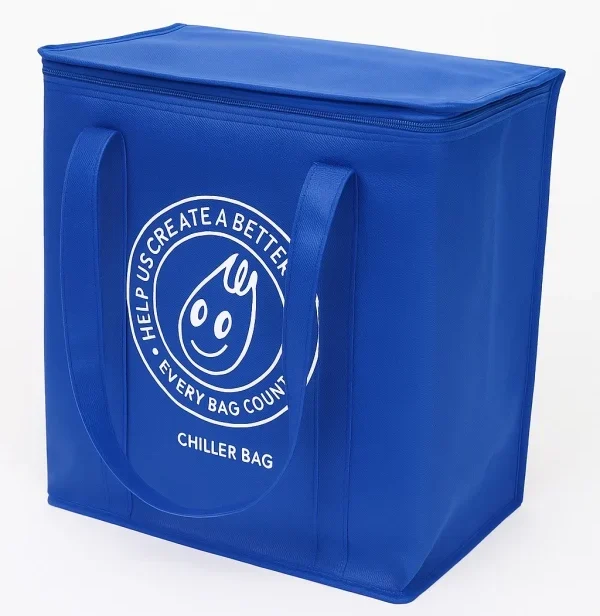
Whether non woven bags deliver eco benefits depends on how businesses and consumers use them.
Specify for Longevity
A well-designed bag with thicker fabric, reinforced stitching and gussets for capacity lasts longer. Businesses that choose sturdier options extend the bag’s life cycle and prevent early disposal.
Drive Reuse With Customer Prompts
Customer behaviour plays a big role. Retailers can use signage, small discounts or loyalty points to encourage customers to reuse their bags. At trade shows, exhibitors can remind visitors to carry a single bag for the event instead of collecting multiples.
Plan End of Life Options
Where recycling facilities exist, businesses should guide customers on how to dispose of worn bags responsibly. In areas without recycling, promoting creative reuse for storage, donations or as household organisers extends the usefulness of each bag.
Comparing Non Woven Polypropylene With Other Materials
To understand whether is non woven polypropylene eco-friendly, it helps to compare it with other common packaging materials.
Cotton Bags
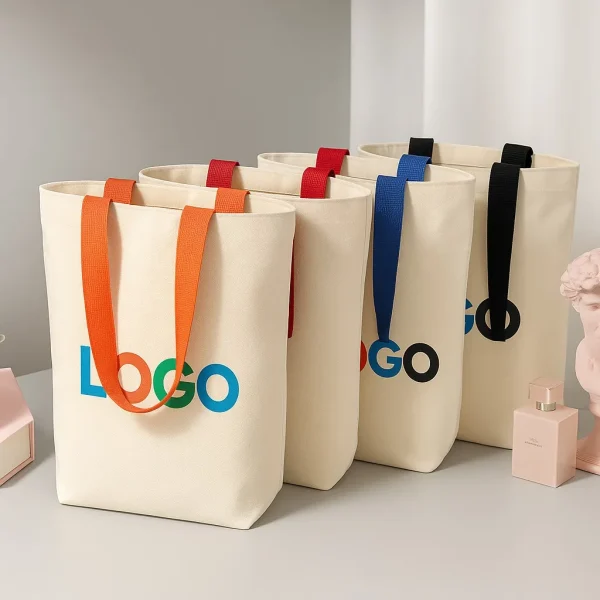
Cotton is natural and biodegradable, but cotton bags require significant water and land resources to produce. A single cotton bag often needs to be reused hundreds of times before its environmental impact is offset.
Jute Bags
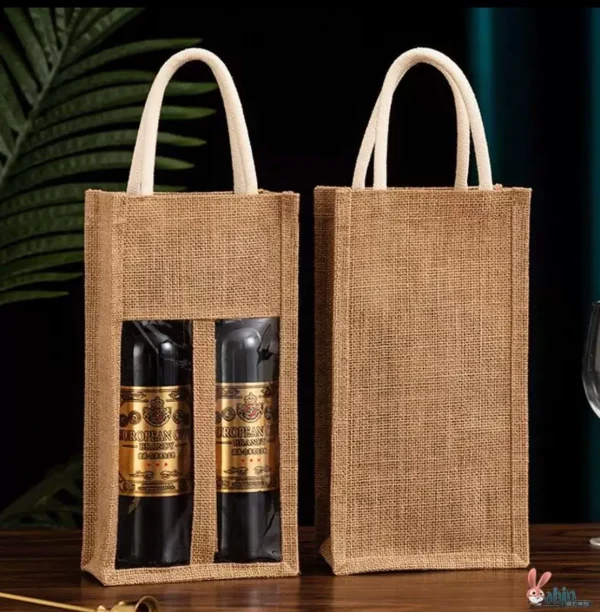
Jute is strong, durable and biodegradable. It is more sustainable than polypropylene, but it is heavier and more expensive to produce. For businesses that need affordability and bulk supply, jute may not always be practical.
Paper Bags
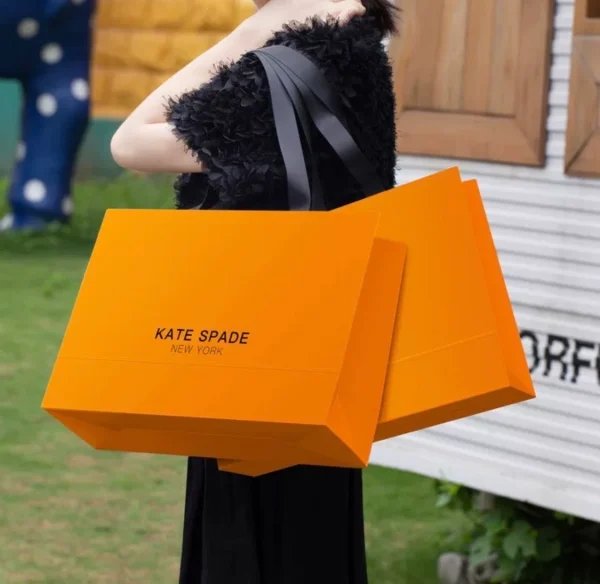
Paper is recyclable and biodegradable, but lacks durability. Paper bags often tear when carrying heavy items and are not reusable for long periods. While they can be a good short-term eco option, they do not match the lifespan of non woven bags.
Traditional Plastic Bags
Single-use plastic is inexpensive but environmentally damaging. They are rarely recycled and break down into microplastics that pollute ecosystems. Non woven polypropylene bags are a clear improvement when reused as intended.
Why Businesses Choose Non Woven Bags
For businesses, the appeal of non woven bags extends beyond sustainability. They offer a mix of practicality, branding and affordability.
Durability and Reusability for Practical Value
Non woven bags withstand repeated use. Their durability ensures that customers reuse them, giving businesses greater value per unit compared with single use options.
Branding Opportunities Through Custom Printing
The smooth surface of non woven fabric supports detailed custom printing. Logos, messages and designs remain visible as customers continue to use the bags, turning them into mobile advertising for months at a time.
Cost Efficiency for Wholesale Orders
Compared with cotton or jute, non woven polypropylene is cheaper to produce at scale. Businesses that purchase wholesale benefit from consistent branding, reliable supply and cost efficiency.
Aligning With Sustainability Goals
Non woven bags allow businesses to demonstrate action on sustainability. They reduce plastic waste, support eco-friendly branding and fit into corporate social responsibility reports.
Industry Use Cases and Applications
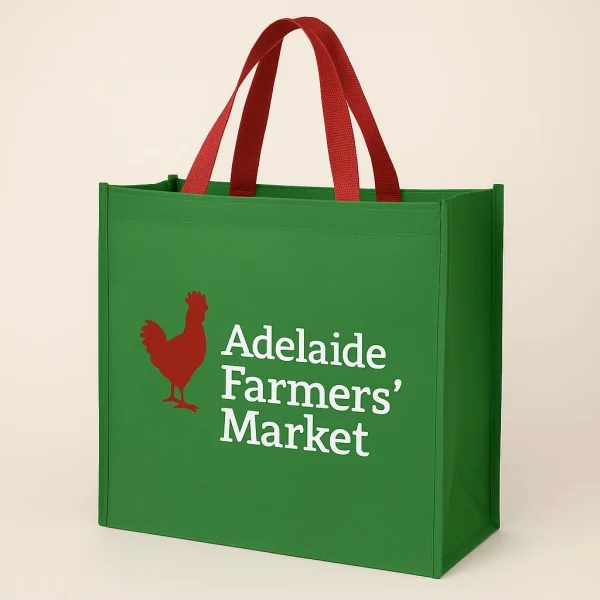
Non woven polypropylene bags are used across industries, from retail to government.
Retail and Supermarkets
Retailers use non woven bags as paid carriers or part of loyalty schemes. Customers appreciate the durability and businesses benefit from long-term brand visibility.
Events, Conferences and Trade Shows
Event organisers and exhibitors rely on non woven bags to distribute brochures, merchandise and samples. The large surface area is ideal for branding, and attendees often reuse the bags long after the event.
Government and Community Programmes
Councils and agencies distribute non woven bags during health, recycling and awareness campaigns. These bags are practical, reusable and carry sustainable messaging.
Corporate Promotions and Branding
Businesses use non woven bags in training packs, welcome kits and product launches. They act as functional gifts while promoting the brand in daily life.
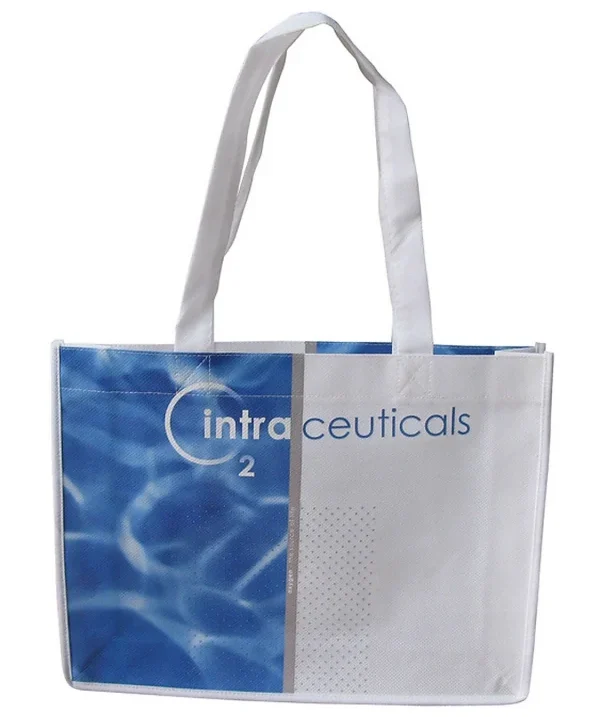
The Future of Non Woven Bags and Sustainability
As demand for eco-friendly packaging grows, the future of non woven polypropylene depends on innovation and policy.
- Recycling infrastructure is expected to expand, making it easier to process polypropylene waste.
- Biodegradable additives are being explored, although they remain costly and less proven at scale.
- Government regulations are likely to push businesses further towards reusables, which strengthens the case for non woven bags.
- Consumer awareness continues to rise, meaning businesses will need packaging that demonstrates both function and responsibility.
Why Non Woven Polypropylene Matters for Businesses
Non woven polypropylene bags are not perfect. They are not biodegradable and depend on plastic feedstocks. Yet when chosen for durability, paired with reuse messaging and responsibly sourced, they replace large numbers of disposable carriers and offer excellent branding opportunities.
For businesses, the balance of durability, affordability and sustainability makes them a practical step towards reducing waste. By selecting the right specifications and encouraging reuse, the answer to is non woven polypropylene eco-friendly becomes a positive one in day-to-day operations.
A thoughtful procurement strategy covering bag size, weight, printing and recovery ensures that the bags perform both as packaging and as a marketing tool. This combination of practicality and eco responsibility is what makes them valuable for modern businesses.
Explore wholesale options with Non Woven Bags Direct to access durable, customisable bags that align with your brand and sustainability goals.
Get in touch today to request samples, pricing and lead times tailored to your next campaign.