



A well-made bag begins with the right foundation. the fabric. Choosing a material without fully understanding its performance can lead to premature wear, frustrated customers, and product returns. Oxford fabric is one of the most commonly used textiles in commercial and promotional bags. But the question remains: is Oxford fabric good for bags, or could another option serve your needs better?
If you are sourcing fabrics for commercial bags, client giveaways, or even technical gear, your material decision affects cost, quality, and customer satisfaction. Oxford fabric has been used globally for decades in both consumer and industrial markets, and understanding its full capabilities ensures your product meets expectations.
By evaluating both Oxford and its alternatives, this guide will help you align your fabric choice with your design and business goals.
Why Is Oxford Fabric Good for Bags and Other Heavy-Duty Uses?
Oxford fabric is favoured in the industry for its balanced durability, flexibility, and affordability. Its basketweave pattern adds structure while keeping the material lightweight. This makes it well-suited to bags that need to carry moderate to heavy contents without deforming.
Durability and Structure
Oxford fabric resists stretching and tearing due to its woven construction. Its strength helps bags retain their shape, especially when carrying heavier loads or being used frequently.
Water Resistance
A key benefit is its water resistance. Many Oxford fabrics are coated with polyurethane or polyvinyl chloride, keeping bag contents safe from rain or moisture.
Breathability
While heavier grades prioritise strength, lighter versions of Oxford fabric allow some breathability, helping reduce internal moisture build-up. useful for gym bags or shopping totes.
Versatility
Oxford fabric is suitable across a range of bag materials, from promotional totes to outdoor backpacks.
Cost-Effectiveness
Oxford fabric provides excellent value for money. Manufacturers often prefer it over pricier technical materials because it offers reliable strength without significantly increasing production costs. This makes it ideal for bulk orders, especially in retail, corporate, or event-based settings.
Ease of Manufacturing
The consistency of Oxford fabric’s weave makes it easy to cut, stitch, and shape. It holds seams well and allows for precision in construction, which helps maintain quality across large batches of production.
Real-World Use
Oxford fabric is used by countless brands for school bags, conference totes, and delivery backpacks. Its ability to retain structure while staying cost-effective makes it a top contender in product development.
Whether the concern is performance under weight, water protection, or visual consistency, Oxford fabric consistently meets expectations. This is one of the main reasons the answer to Is Oxford fabric good for bags, is often yes. especially in high-volume manufacturing.
Expert Insight
Design experts often point to Oxford fabric’s reliability in large-scale production. It offers fewer surprises during printing, stitching, or coating applications. This reliability reduces waste and rework, which is vital when managing tight production schedules or limited resources.
Its compatibility with automation also supports efficient manufacturing. From cutting to final stitching, Oxford handles consistent processes well without slipping or fraying unexpectedly.
Comparing Oxford Fabric Grades for Bag Manufacturing

Oxford fabric is classified by denier, a unit that measures yarn thickness. Higher denier ratings usually mean stronger, heavier fabric. Here’s how common grades compare:
- 420D – Lightweight and foldable. ideal for promotional bags or drawstring packs.
- 600D – A balance of cost and strength. commonly used in carry-ons and tote bags.
- 840D – Thicker and more abrasion-resistant. ideal for backpacks and school bags.
- 1200D – Offers serious abrasion resistance and structure for sports or travel bags.
- 1680D – Premium-grade for maximum durability and heavy-use professional bags.
Choosing by Denier Rating
Each grade is best suited to a different environment. For instance, 600D Oxford is often chosen for school bags because it balances strength with manageability. 1680D, meanwhile, may be overbuilt for casual use but perfect for gear bags that see rough handling. Understanding your product’s requirements will help you select the most appropriate grade.
Market Examples
Major online retailers frequently list 600D and 1200D Oxford bags as bestsellers. These grades dominate mid-range luggage and student backpack categories. The higher the denier, the more rugged the product. but also the higher the price.
Buyers and manufacturers alike choose the grade that balances needs and budget. For example, a promotional campaign may call for 420D, while a high-end laptop bag benefits from 1680D.
Beyond Denier: Coatings and Laminates
Grades alone do not tell the full story. Oxford fabric can also be coated with PU, PVC, or TPU for extra protection or aesthetic finish. PU is more flexible and lighter, while PVC offers superior water resistance. TPU is used for premium applications requiring both clarity and softness.
When selecting Oxford, understanding the base grade and coating options ensures the fabric performs as intended for your product’s use.
Assessing Key Qualities of Oxford Fabric for Bags
- Durability is one of Oxford’s standout traits. It performs well under pressure and regular use. Its coatings also contribute to excellent water resistance and abrasion control.
- Weight varies by grade. Lightweight options like 420D are easy to carry, while 1680D adds more bulk.
- Texture is slightly coarse due to the weave. offering grip and a functional aesthetic.
- Breathability is moderate in lighter grades but reduced in heavier, coated versions.
Customisation Potential
Oxford fabric accepts various printing methods, including screen printing and heat transfer. This makes it ideal for promotional bags where brand visibility is important. In addition, colours hold well over time. helping maintain a fresh appearance even after frequent use.
Colour and Finish Options
Oxford fabric supports a wide range of colours, patterns, and surface finishes. It can appear matte or slightly glossy depending on the coating. These options provide design flexibility for brands aiming to match visual identity with function.

Oxford Fabric vs Other Common Bag Materials
- Canvas is stiffer, heavier, and more natural-looking. It suits premium or structured bags but lacks Oxford’s water resistance.
- Nylon is smoother and more technical. often used in high-end backpacks. Oxford is more affordable and easier to print on.
- Polyester shares properties with Oxford. especially in water resistance. But Oxford’s weave provides better strength and texture.
Oxford is often preferred when a balance is needed between performance and budget in bag fabric selection.
Environmental Considerations
Canvas, especially when untreated, is biodegradable and seen as more eco-friendly. However, Oxford fabric is more energy-efficient to produce at scale. Many suppliers now offer recycled Oxford fabric as part of sustainable manufacturing initiatives. Comparing materials should also include long-term impact and recyclability.
Performance vs Perception
Some buyers may view natural fibres like canvas as premium despite their weight and upkeep. Oxford fabric bridges that gap by offering a polished appearance with modern performance. It is also less prone to shrinking, wrinkling, or fading compared to untreated canvas.
Choosing Based on User Behaviour
Canvas appeals to consumers who value classic styling and environmental benefits. Nylon is often chosen by adventurers and professionals who prioritise performance. Oxford fabric hits the sweet spot for budget-conscious buyers who still expect good quality. Matching your target customer’s habits and preferences can guide fabric choice more accurately.
Choosing the Right Oxford Fabric for Your Bag Design
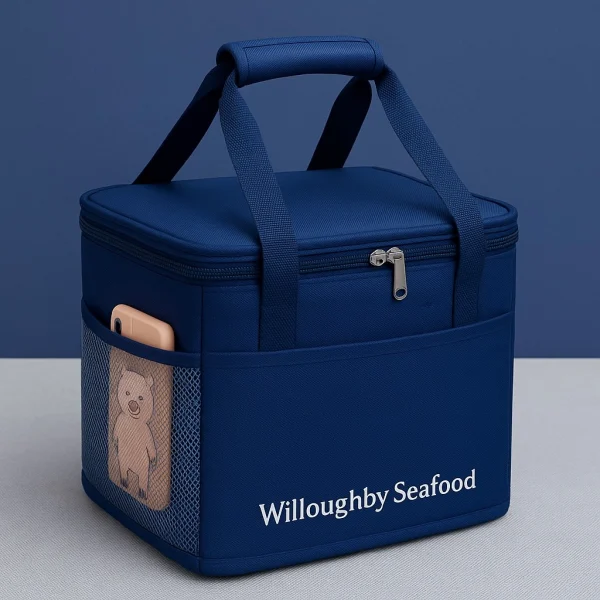
Choosing the correct Oxford grade depends on how the bag will be used.
- Everyday use: 420D or 600D for light loads, low cost, and ease of storage.
- Outdoor and travel: 840D or 1200D for greater structure, durability, and abrasion protection.
- Heavy-duty: 1680D for industrial or professional bags that carry heavy tools or gear.
Always consider added features like reinforced seams, linings, and coatings when selecting your bag materials.
Application-Specific Selection
Retail bags might prioritise low weight and visual appeal, while courier bags or medical equipment carriers need absolute strength and water protection. By matching fabric grade with usage intensity, designers ensure that each bag delivers on function and durability.
Cost and Lead Time Considerations
Oxford fabric is readily available and easy to source in large quantities. making it ideal for short production timelines. Choosing the right grade helps control production costs while still achieving desired functionality. Its availability is another factor when considering whether Oxford fabric is good for bags used in commercial volumes.
Testing and Sampling
Before large production runs, fabric samples can be tested for seam strength, water repellence, and abrasion resistance. Working with trusted suppliers like Non Woven Bags Direct allows you to request specific grades, coatings, and sample finishes before placing a full order.
This step reduces risks and ensures the fabric aligns with your expectations in both appearance and function.
Is Oxford Fabric the Right Choice for Youar Next Bag?
So, is Oxford fabric good for bags? Its strength, versatility, and cost efficiency make it a reliable choice for many types of bag designs, including promotional totes, backpacks, and travel gear.
When matched with the right grade and finish, Oxford fabric can meet both functional and aesthetic goals while maintaining consistent performance. Its ability to adapt to different applications and withstand everyday use gives it a clear advantage over many alternatives.
If you are exploring the best material for your next production run, Non Woven Bags Direct provides tailored sourcing advice and a wide range of Oxford fabric options. With years of experience in commercial bag manufacturing, we help businesses choose fabrics that deliver on both quality and performance.
Contact us to discuss your material needs and find the right Oxford fabric for your next bag.